
Cost of Tree Canopy Thinning in Port Orange, FL
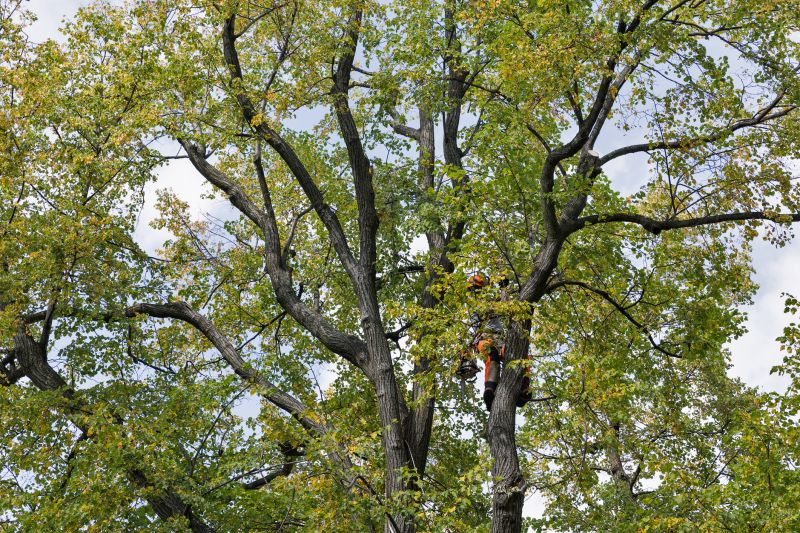
Tree canopy thinning in Port Orange, FL, involves selectively reducing the density of tree branches and foliage to improve air flow, light penetration, and overall tree health. The costs for this service can vary depending on the size and number of trees, the extent of thinning required, and the specific site conditions. Typically, project prices are influenced by the scope of work, materials needed, and labor involved.
Final pricing for tree canopy thinning projects in Port Orange, FL, will differ based on factors such as tree species, accessibility, and the complexity of the work site. It is recommended to obtain detailed estimates that consider these variables, as costs can fluctuate significantly with changes in scope, materials, and site-specific conditions.
Estimated Price Range
$1,200 - $2,800 (smaller scope)
$3,000 - $6,500 (moderate scope)
$7,000 - $12,000 (larger scope)
$12,500 - $20,000 (comprehensive)
$22,000 - $35,000 (full canopy management)
| Project Type | Typical Range |
|---|---|
| Selective Thinning | $1,200 - $2,800 |
| Light Crown Reduction | $2,500 - $4,500 |
| Moderate Crown Thinning | $4,500 - $7,500 |
| Heavy Crown Thinning | $7,500 - $12,000 |
| Full Canopy Reshaping | $12,000 - $20,000 |
| Complete Tree Restructuring | $20,000 - $35,000 |
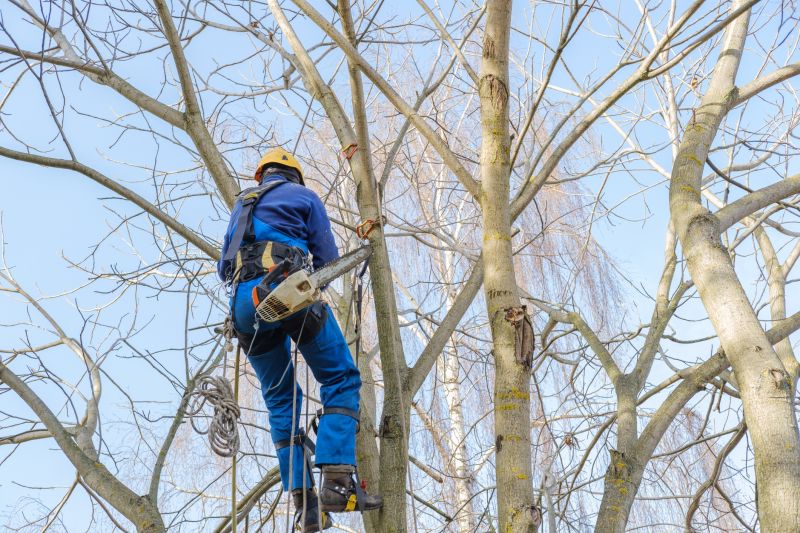
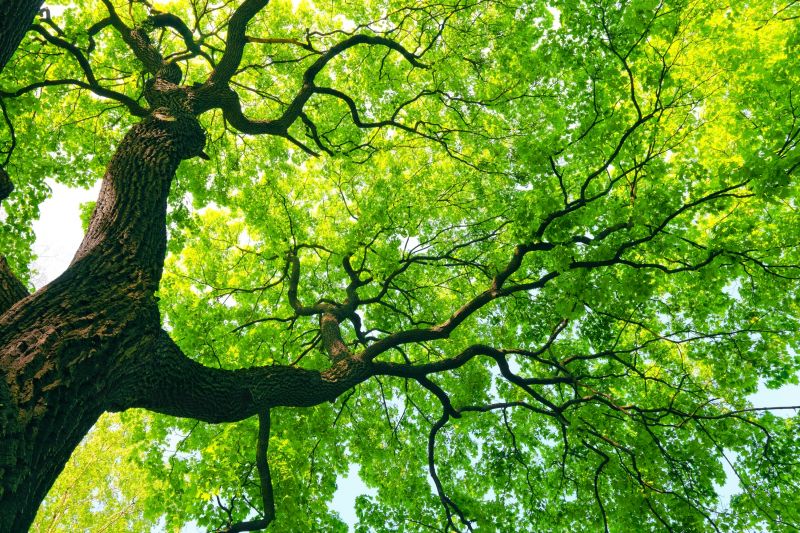
Factors Affecting Cost Include Tree Size, Density, and Access
Tree canopy thinning in Port Orange, FL involves selectively removing branches to reduce tree density, improve sunlight penetration, and maintain healthy growth. This process is often performed around residential and commercial properties to enhance landscape appearance and promote tree health. Understanding the typical scope and considerations can help in planning and budgeting for such projects.
- Materials: Use of pruning tools, safety equipment, and potentially pruning paint or wound dressings for large cuts.
- Size and Scope: Ranges from light thinning of small to medium-sized trees to extensive pruning of larger canopy sections.
- Labor Complexity: Varies based on tree size, density, and accessibility, often requiring skilled pruning techniques.
- Permitting: May require local permits if the work involves protected species or significant tree removal, especially on public or protected land.
- Extras: Additional services such as debris removal, stump grinding, or health assessments may be included or offered separately.
Project size ranges from small to large-scale thinning
| Scope/Size | Typical Range |
|---|---|
| Small trees (under 20 ft) | 10-20% canopy reduction |
| Medium trees (20-40 ft) | 15-25% canopy reduction |
| Large trees (over 40 ft) | 20-30% canopy reduction |
| Multiple trees in a landscape | Variable, based on total canopy area |
In Port Orange, FL, canopy thinning may be performed to improve tree health and visibility, with costs varying based on tree size and scope of work.